Guided Fly Fishing Trips
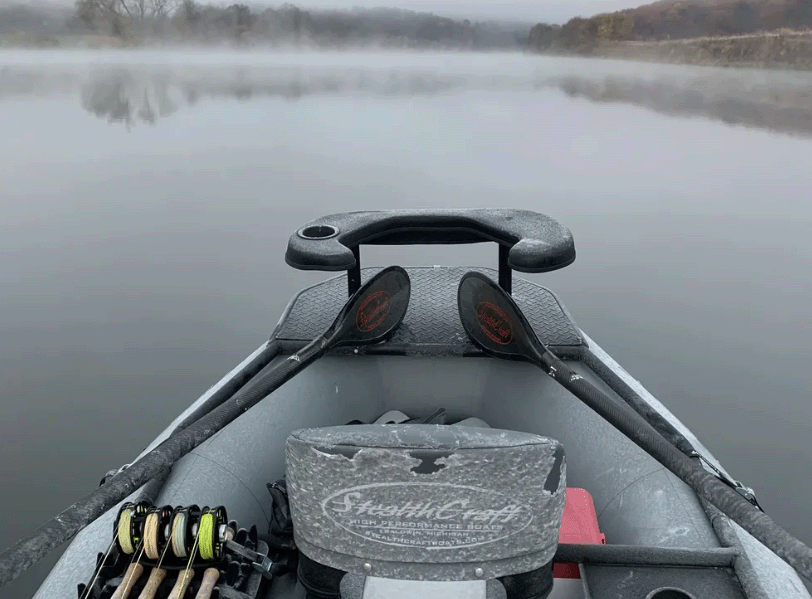
Half-day and full-day guided trips on the Connecticut River, West River, and Battenkill — out of downtown Brattleboro, Vermont.
Booking Now
Trout fishing — the Battenkill
In partnership with Trico Unlimited, BrattleFly offers guided trout fishing on the Battenkill River — one of the most storied wild trout streams in the northeastern United States. The Vermont Battenkill holds wild brown trout and native brook trout in cold, clear water from Arlington to Manchester. Season runs April through October, with prime dry-fly windows during the Hendrickson hatch in early May, sulphur and caddis hatches through June, and trico and blue-winged olive hatches in September.
Trico Unlimited guides bring over 75 years of combined experience on these waters. Lead guide Brew Moscarello is a 2024 Orvis Guide of the Year finalist, Vermont Fish & Wildlife Certified Instructor, and New York State Licensed Guide with over 40 years on the Battenkill.
Booking So0n
Southern Vermont holds more fishable water than most anglers realize. BrattleFly guides trips across three distinct fisheries, seasonally matched to when each species is at its best.
Warm-water fly fishing — Connecticut River and West River
Smallmouth bass, northern pike, and common carp on moving water through and around Brattleboro. The Connecticut River corridor offers some of the most accessible and underutilized warm-water fly fishing in New England — technical enough for experienced anglers, approachable enough for beginners. Season runs late May through October, with peak action in July and August when Vermont visitor traffic is at its highest and trout anglers are sidelined by summer conditions.
Smallmouth bass on the Connecticut are aggressive surface feeders holding in current seams behind mid-river structure. Early morning topwater — poppers and deer-hair sliders worked across current — produces some of the most visually exciting fly fishing available anywhere in the state. The West River adds moving-water variety closer to downtown, with tighter pocket water and its own healthy smallmouth population.
Northern pike occupy the slower backwater and oxbow sections of the Connecticut. Two prime windows per year: April through early May before water temperatures climb, and again September through November as they drop back into range. Pike on the fly is reaction-strike fishing — large articulated streamers, efficient coverage of structure, and an entirely different discipline than trout or bass.
Common carp on the Connecticut River flats are available late May through September. Sight-fishing to tailing carp in clear, shallow water is among the most technically demanding fly fishing available in freshwater — closer in character to permit fishing on a saltwater flat than anything else in New England.
Still-water bass and panfish — Windham County ponds and reservoirs
Largemouth bass, bluegill, and crappie on Harriman Reservoir, Sadawga Pond, Somerset Reservoir, and private ponds throughout Windham and Bennington counties. Ideal for beginners, families, and anyone building their first fly fishing experience. These fisheries receive little to no fly fishing pressure — the fish are not educated, and the margin for error is wider than on moving water.
Trip Formats
Half-day guided trip — Four hours on the water. Appropriate for beginners, families, and anglers targeting a specific species or technique. Instruction included.
Full-day guided trip — A complete day covering multiple water types or a sustained focus on one fishery. Appropriate for experienced anglers and those wanting to cover more ground.
Instruction and casting clinics — On-the-water instruction for first-time fly fishers and anglers looking to improve specific skills. Available as standalone sessions or added to guided trips.
All skill levels welcome. No prior fly fishing experience required for warm-water and still-water trips.
Where We Fish
BrattleFly operates out of downtown Brattleboro, Vermont — at the confluence of the Connecticut and West Rivers, an hour from the Battenkill, and within easy reach of still-water fisheries throughout Windham and Bennington counties. Brattleboro sits at the southern gateway to Vermont on I-91, making it a natural first stop for anglers traveling north from Massachusetts toward the White River, Black River, Otter Creek, and the Northeast Kingdom.
The warm-water fisheries immediately surrounding Brattleboro — the Connecticut River corridor and West River — are largely uncrowded. That combination of quality, accessibility, and low pressure is increasingly rare in New England.
Walk-in inquiries welcome at 45 Linden Street, downtown Brattleboro.